More families in Pakistan are gravitating towards purchasing organic food. Families are becoming more conscious of the food they purchase, whether it be food for children, elders, guests, or daily food. Although the price continues to be an important factor in their selection, freshness, quality, origin, and the reputation of the seller are becoming significant as well. The interest in organic-style food products is not misplaced. Appearance is no longer the most important selling point for food. Consumers want food products that have a reputation of being fresh, ethically raised, fairly sold, and a good value. Consumers are concerned about the purchase of all types of food, including milk, eggs, ghee, vegetables, meat, and all types of poultry. Naturally raised poultry is part of the context because it is related to and is part of traditional cooking and home culinary practices. In the majority of Pakistani homes, local poultry is always held in high regard because of its unique taste, firm meat, and the consistent results they get from the poultry in dishes that are cooked for a long time. An excellent representative of this is desi chicken, which is the chicken of preference in the making of yakhni, chicken soup, chicken karahi, and the ever-popular chicken curry.
Why Organic-Style Food Matters
A good organic or naturally raised product gives buyers more confidence. It is not only about a fancy label. The real value comes from how the product is raised, handled, stored, and sold. When these details are clear, buyers can make better decisions. In Pakistan, many people still trust food that feels closer to natural sources. Farm-style and home-raised products often have strong demand because they feel more traditional and reliable. For poultry, buyers usually look for freshness, bird health, feeding quality, age, weight, and seller honesty. However, buyers should also be practical. Not everything called “organic” is automatically organic. A seller may use words like natural, local, farm-raised, or desi, but the buyer should still ask questions. Clear information is always better than attractive wording.
The differences of Naturally Raised Poultry.
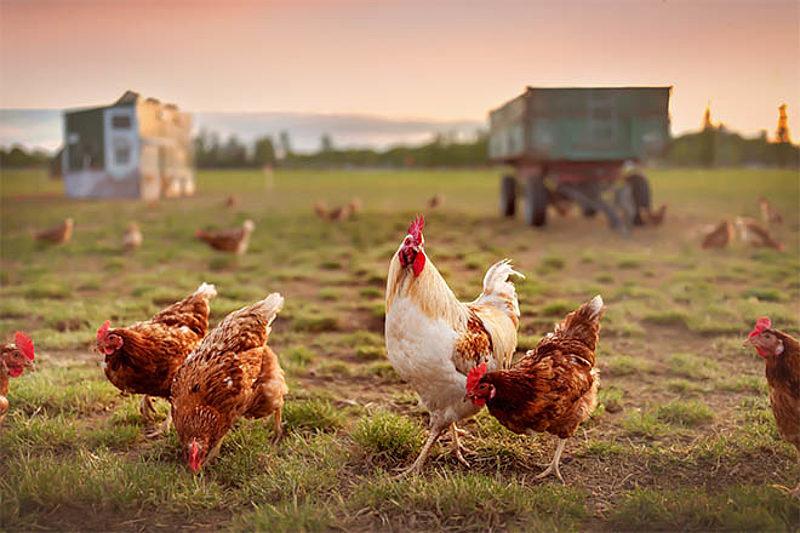
The preferred choice for poultry is naturally reared. It often has tougher meat than standard broiler chicken, but it has a rich taste in classic recipes. It may take longer to cook, but many families feel the final taste is worth the extra time. This kind of chicken is commonly used for special occasions. It can be used in winter for soup, served to elders as yakhni, to guests as kalahari, and to the family for a weekend meal as a rich curry. It's not just about the meat itself but the traditional food experience that it can bring. One of the most popular examples of this type of chicken is DESI CHICKEN in Pakistan. It's often associated with more flavor and natural cooking methods. Nevertheless, buyers should not only rely on the name. Quality will be dependent on the raising of the bird, the food fed to the bird, and the clarity of the seller in explaining the facts.
What Affects the Price?
The cost of free-range poultry is different in various cities. The rates may vary in other cities like Karachi, Lahore, Islamabad, Faisalabad, Multan, Peshawar, and smaller towns. Within a city, the same price may be different for two sellers due to varying supply and demand, location, bird size, and quality. One of the prime factors is weight. Generally, the heavier the bird, the more it will cost, but the cost should not be based on weight. Even a healthy medium-sized bird is sometimes a better choice than a large, weak, unimpressed bird. The raising method also affects the price. Poultry raised in a more natural environment usually takes longer to grow and may not be available in large quantities. This is one reason it often costs more than regular broiler chicken. Season can also change demand. In colder months, many families prefer traditional poultry for soup and yakhni. Around weddings, family gatherings, and special occasions, demand may rise, and prices can change accordingly.
Per Kg Price or Full Bird Price?
Always inquire with the seller about how the sales price is being computed before purchase! Some sellers charge a per kg price, others charge the price of the whole bird. Both of these are standard practices, but they may result in a lack of clarity for the buyer. However, it is also important to consider whether the weight is live weight or cleaned weight. A live bird's weight is greater before being cleaned. The amount of meat after cleaning is less. This is normal, but should be discussed before payment. If you want to compare two sellers, be sure that they are both priced using the same method. An offer that appears lower in the initial figures could turn out to be more expensive in the end, due to weight variances or delivery costs and fees, or post-cleaning costs.
How to Check Freshness and Quality
A small price difference should never be taken away from freshness. The healthy bird should be active, alert, and clean. When you shop online, request clear photos or a short video. A real seller should have no problem providing fundamental information. Inquire about age, weight, location, availability, and final price. If shipping is available, verify shipping costs separately. Your cooking purpose also matters. A mature bird may give a stronger flavor in soup or yakhni. A younger one may be better if you want softer meat. These small details help you buy the right product instead of choosing only by price.
Buying Naturally Raised Poultry Online
Buying food products online requires care, especially when freshness matters. A buyer should not rely only on one photo or one short description. It is better to check the seller's details, ask direct questions, and compare a few options before deciding. For local listings and seller comparison, buyers can also check the desi chicken rate today in a simple, practical way. The purpose should not be to rush the purchase, but to compare available options, understand seller details, and make a more informed decision. A trusted buying process should feel clear. The seller should explain the product honestly. The buyer should know the location, price method, delivery details, and product condition before paying.
Smart Buying Tips
Do not choose only the cheapest option. A fair price from a reliable seller is often better than a low price with unclear details. Compare at least two or three sellers before buying. Ask about weight, age, location, final price, delivery charges, and whether the bird is live or cleaned. If a seller avoids basic questions, it is better to look for another option. Also, remember that “natural,” “local,” and “organic” are not always the same thing. If organic quality matters to you, ask about feeding, raising methods, and care. Honest details are more useful than strong claims.
Final Thoughts
For Pakistani families who prioritize freshness, taste, and trust, the option of purchasing organic and naturally-raised food is proving to be a wise choice. Poultry that is raised more traditionally in an appropriate manner, and offered in a manner that provides clear information, is a good fit for this classification. It is easy to buy – know the product, shop around, ask questions directly, do not pick the cheapest, and deal with quality. People who pay attention to freshness and the seller's reputation will more likely bring fresh food into their home that is truly good for the family to cook.
FAQs
Why are organic and naturally raised food products so popular in Pakistan?
They're popular because many families are interested in having fresher food, better taste, and better information on the origin of the product.
Does desi chicken equate to organic chicken?
No, this may be a natural or organic style, but consumers must check how it is fed, raised, and provided by the seller before buying.
Therefore, what are the crucial details to consider when buying poultry that is raised naturally?
Make sure the weight is included, the freshness, age, selling area, how it's sold, the delivery price, and the freshness or dead bird status (dead or alive).
How is it that the different sellers have different prices?
The price may vary by city, weight, supply, season, method of raising, seller costs, demand, etc.
Does it benefit one to purchase from an e-commerce site?
Yes, with proper use by the customer. It can assist you in comparing sellers, reviewing information, posing questions, and making an informed decision.