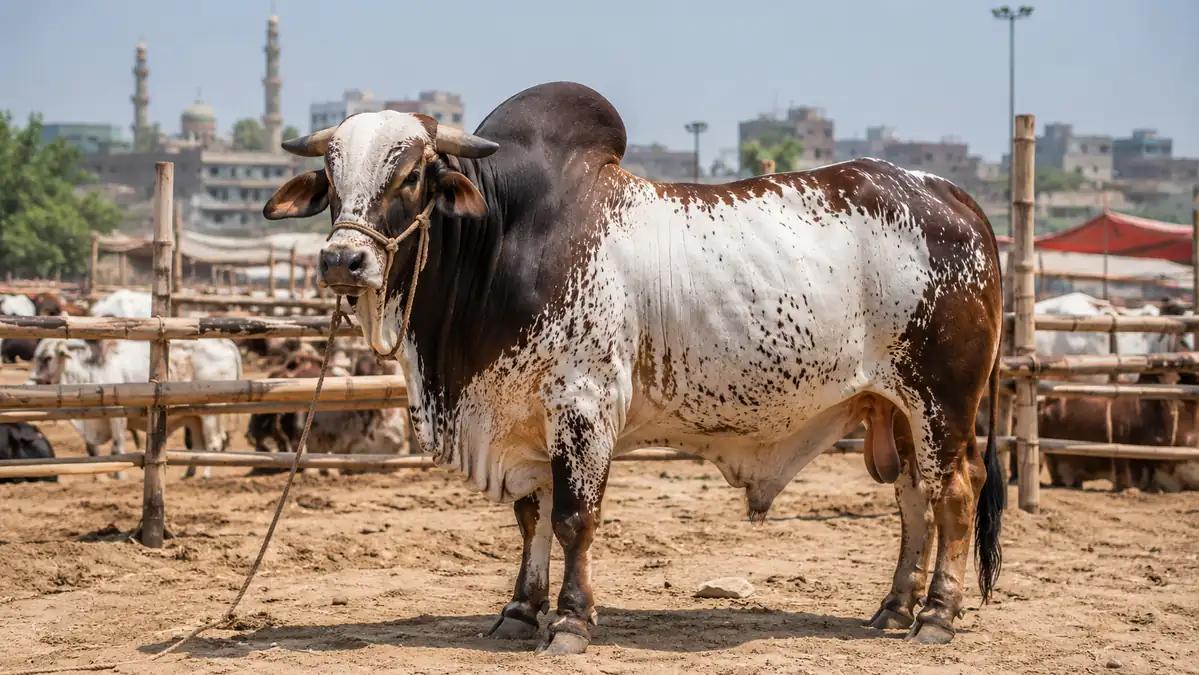
Anyone who has ever visited a cattle market in Pakistan knows one thing. Bull prices are never the same everywhere. One seller may ask a high price because the animal is heavy. Another may charge more because of the breed. Lahore, Sahiwal, Multan, Karachi, and Islamabad can charge different prices for similar types of bulls. Because of this, bull price in Pakistan requires one to look beyond the obvious pricing. It means that one has an understanding of what sets them apart to be worth more. Important considerations in reaching a purchase price include: breed, age, condition, body weight, health, location, and the reputation of the seller. Good genetics and a management program that ensures bulls are fit and healthy with good body condition for sale are usually worth more. However, size is not always an indicator of good genetics and condition. Bulls that look good from a distance and at first glance may have the opposite qualities upon closer inspection.
What Decides the Price of a Bull
The price value of a bull is weighted heavily on the breed. Local markets sustain and set prices for popular breeds based on the value of demand for the livestock in those markets. The price of a bull from the following breeds: Sahiwal, Cholistani, Sibbi, Brahman, Red Sindhi, Bhagnari, and Friesian will vary. Price is also dependent on weight. Bulls that are strong and full should always be priced higher than bulls that are underweight. It should also be noted that weight is not always equated to size. Body shape, leg structure, walking style, and energy should be considered. Age matters too. A young bull may lack full body development, while an older bull requires an extra careful check. Experienced buyers know to look at the teeth, body structure, and movement to gain a better understanding of the animal. Health matters more than appearance. Clear eyes, clean skin, easy, normal breathing, and not lazy and steady movement need to be present in a good bull. If the animal looks lazy and/or may be injured and looks dull and uncomfortable while it is walking, it is better to slow the inspection down and do a thorough check on it.
Popular Bull Breeds in Pakistan
Sahiwal Bull
The Sahiwal bulls represent one of the most notable breeds across the country of Pakistan. This is because they are able to adjust to the local Pakistani climate and therefore dominate the livestock market. This is notable as, due to the market trends within Punjab, Sahiwal bulls are often known and trusted by buyers.
For buyers from Sahiwal, Multan, and regions close by, the Sahiwal breed tends to be more competitive because there is usually a larger population of these bulls.
Cholistani Bull
The Cholistan breed of bulls is also known for having a strong body bulk and, therefore, is really popular within the regions due to their traditional value. When assessing a Cholistani bull, buyers should be realistic. While a strong body is a huge plus, bulls should also be able to walk properly, eat properly, and show a healthy body.
Sibbi Bull
The Sibbi bull is also very popular within the Pakistani livestock market due to its strength and regional value. Buyers value the Sibbi bull for their body and stature and market value. It is advised to compare more than one bull before purchasing a Sibbi bull because the price is quite variable due to the weight, age, health, and the city from which the Sibbi bull is being purchased.
Brahma and Brahman Bull
The Brahma bull, or Brahman bull, is popular for its strong stature and appeal. Buyers also look at the Brahman bull price in Pakistan before deciding if this breed is within their price range when deciding. This breed can capture the eye, but buyers should be practical. Consideration should be made for feeding costs, temperament, health, movement, and trust in the seller.
Red Sindhi Bull
Buyers in Sindh and surrounding areas will find the purchase of Red Sindhi bulls to be very advantageous. This breed is marketed in Pakistan and often relates to local adaptability and dairy value. For buyers of Karachi, Hyderabad, Sukkur, and Interior Sindh, Red Sindhi Cattle are more available and hence more attractive than some other breeds.
Bhagnari and Friesian Bull
The Bhagnari bull is valued by many for its strong body and traditional history. Friesian bulls are typically more associated with dairy farming and breeding.
No single breed is the best for every buyer. Most buyers will be influenced to choose their purpose and intention of the buy, their budget, the locality of where the buy is to happen, and the condition of the animal.
City-Wise Bull Price Difference
Prices of bulls are influenced a lot by localities and the marketplace. In Lahore, many sellers may be available to buyers, and many options of animals may be available, but demand may be influencing prices to be higher. In Karachi, many animals are transported from other regions, and the costs of transport may be influencing the final costs of the bulls. In Multan, Sahiwal, Bahawalpur, and the surrounding localities, more local options of cattle may be available to buyers. These localities are close to strong regions of livestock and are an opportune time to compare. In Islamabad and Rawalpindi, buyers prioritize clean animals and trusted sellers and will pay more for convenience. In Faisalabad, Peshawar, Quetta, Hyderabad, and Sukkur, bull prices are influenced by local supply, transportation, breed availability, and demand in the marketplace. Price single checking is not enough to know the fair price of a buy. As a buyer, you need to make price comparisons of several animals.
Fluctuation with Demand and Pricing Bull
Bull prices fluctuate seasonally with demand. A good example would be the period before Eid ul Adha price would increase as buyers would search for a few healthy animals to buy for slaughter. Buyers should avoid hasty purchases due to seasonal demand fluctuations. As seasons may change, some basics will not. Before paying for livestock, the buyer will need to consider breed, age, and weight, health assessment, liquidity, and finally the trustworthiness of the seller.
Bull Assessment before buying
Purchase decisions should never be rushed. A bull assessment should be conducted by the potential buyer before making any commitments. There are several relevant factors as discussed below. Sellers have a stake in maximizing price, and buyers have hasty decisions. Cues of a healthy bull are its alertness and balance. Bull eyes should be clear, and skin coats should be observed for trauma. Healthy animals have neither weakness, limping, nor leg traumas. Buyers should never shy away from asking questions about age, feeding routines, vaccines, and any previous illness. A serious seller will not have difficulties in answering these questions. If a seller is cagey, then a buyer should take care.
Comparison of bulls
Thanks to the online real-time comparison of bulls, buyers no longer need to do multiple physical market trips. For ease, buyers should take time to do a few comparisons and shortlist preferred bulls before an in-person purchase. Mannddi.com is a site with useful animal information, like the available feeds, care, and livestock information. It helps buyers compare Bulls for sale, as well as Bull breeds. Browsing online is a more efficient way of organizing a purchase. After the final purchase decision is made, a proper inspection must be done. Comparing online is handy, but payment must be followed by a physical inspection of the animal.
Final Thoughts
The knowledge of the bull price in Pakistan is used to determine the price of the Bull as opposed to the lowest price Bull. Consider the breed of Bull, the age, the weight, the health of the Bull; the city the Bull is coming from; the season; and the seller's reputation. A Sahiwal Bull, a Cholistani Bull, a Sibbi Bull, a Brahma Bull, a Red Sindhi Bull, a Bhagnari Bull, and a Friesian Bull take a lot of consideration to evaluate the choices. Each question must be asked. The animal must be examined closely. A Good Bull is not the Bull you spend the most money on. It's the Bull that is suitable for your aims, falls within your budget, and meets your standards.
FAQs
What does bull mean in Urdu?
Bull, meaning in Urdu is “بیل”. It means a male cattle animal.
Which bull breed is popular in Pakistan
Popular bull breeds in Pakistan include Sahiwal bull, Cholistani bull, Sibbi bull, Brahma bull, Red Sindhi bull, Bhagnari bull, and Friesian bull.
Why do bull prices vary in Pakistan?
Bull prices vary because of breed, age, weight, health, city, transport cost, seller demand, and market availability.
What should I check before buying a bull?
Check the bull’s age, teeth, body condition, movement, skin, eyes, feeding behavior, breed, and seller trust.
Can I compare bulls online before buying
Yes, buyers can compare bulls online by breed, city, seller details, and other important factors before visiting the seller.